Workflow design and automation
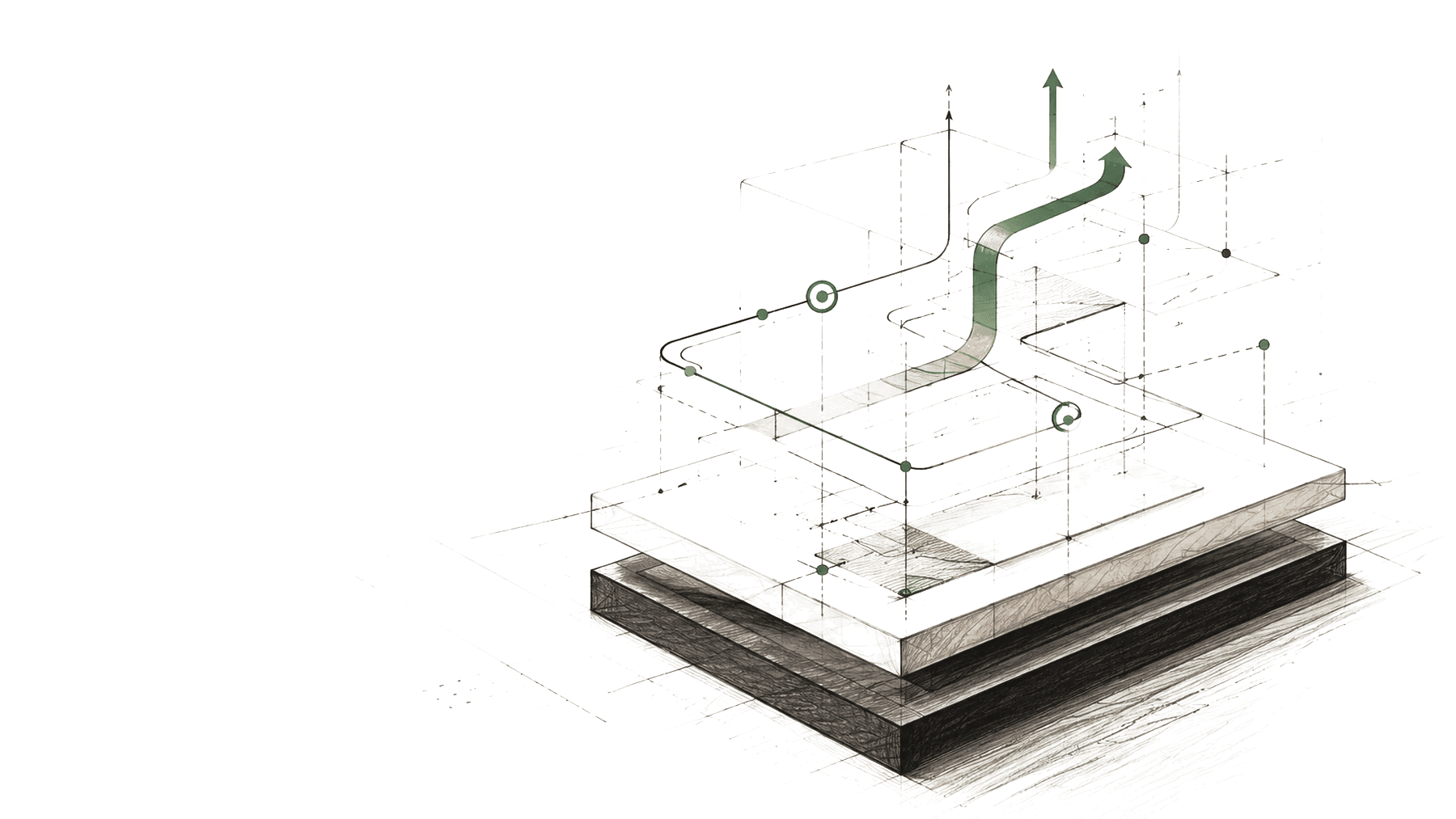
We map how work actually moves through your business, remove avoidable friction, and automate the repetitive steps around your existing systems.
Most firms hear about AI and wonder where to start. We learn how your team works, identify where automation fits, and build practical systems around the work that keeps your people from focusing on growth and scaling the business.
If you want to start the conversation, tell us what you're trying to improve at hello@agenticoperators.ai.
This might be you
Many agencies and professional service firms already have good people and workable tools. The real issue is the manual follow-up and handoff breakdowns between sales, onboarding, delivery, finance, and client work.
Protect billable and client-facing time
Your strongest people should be advising clients, closing work, and leading delivery, not cleaning up handoffs and chasing updates.
Tighten the gaps between teams
The real issue is often between sales, onboarding, delivery, finance, and admin, where small delays compound into margin loss and client friction.
Modernize without breaking what already works
You want better systems, but they still need to fit your current tools, your delivery model, and the judgment your team brings to the work.
Interest in AI is easy.
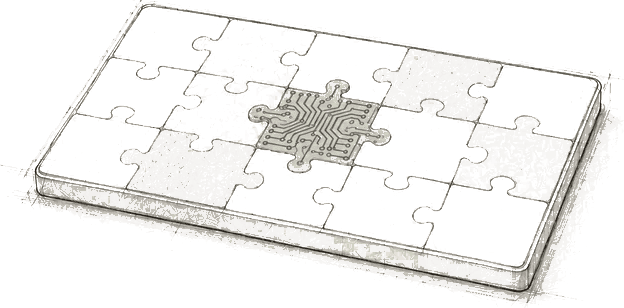
Knowing where it fits is the real challenge.
What we do
This is not about chasing trends. It is about reducing repetitive work, improving coordination, and giving your team better support.
We map how work actually moves through your business, remove avoidable friction, and automate the repetitive steps around your existing systems.
We introduce agentic workflows where they are useful: qualifying requests, assembling context, preparing drafts, and routing work for review without removing human judgment.
We do not hand over theory and disappear. We help leadership teams make sensible decisions, implement the workflow, and refine it until it holds up in practice.
How it works
We keep the scope grounded, the workflow visible, and the work tied to a real operating need, with early demos and fast iteration.
We work with your team to identify which workflows and operational areas are most likely to create the highest impact and return when automated.
We spend less time on long proposals and more time building working systems, usually within days, so progress becomes tangible quickly.
We show your team how the working demo fits into real day-to-day operations using real data, real tools, and actual workflows.
From there we keep improving the workflow, tightening the logic, and making changes based on real usage while continuing to identify the next process that is worth automating.
Case Studies from Past Work
These examples show how practical systems can reduce repetitive operational work, improve decision-making, and preserve human review where it matters.
Built around the systems you already use.
We work across the tools agencies and professional service firms already rely on, adapting to the systems in place rather than forcing a new stack.
Systems we commonly work within
Platforms we commonly work within
Case Study 01
Turning high-volume inboxes into organized, reviewable workflows.
We designed an intelligent intake workflow for organizations managing high-volume shared inboxes, helping teams automatically classify, route, and organize incoming communications while preserving human review for ambiguous cases.
Key outcomes
We designed an intelligent intake workflow for organizations managing high-volume shared inboxes, helping teams automatically classify, route, and organize incoming communications while preserving human review for ambiguous cases.
Capabilities
Where this applies: High-traffic inbox workflows across client service, finance, recruiting, legal intake, project management, and internal operations.
Case Study 02
Converting scattered RFP signals into actionable opportunities worth pursuing.
We built a business development intelligence workflow that collects external opportunities, enriches incomplete data, filters them against company priorities, and explains why certain opportunities deserve attention.
Key outcomes
We built a business development intelligence workflow that collects external opportunities, enriches incomplete data, filters them against company priorities, and explains why certain opportunities deserve attention.
Capabilities
Where this applies: RFP monitoring, grant tracking, recruiting pipelines, sales lead research, market intelligence, and other strategic filtering workflows.
Case Study 03
Accelerating motion drafting without removing lawyer judgment.
We designed a motion drafting support workflow that helps legal teams turn intake materials, case documents, relevant legal knowledge, prior examples, and firm-specific drafting preferences into structured first drafts for review.
Key outcomes
We designed a motion drafting support workflow that helps legal teams turn intake materials, case documents, relevant legal knowledge, prior examples, and firm-specific drafting preferences into structured first drafts for review.
Capabilities
Where this applies: Other expert drafting workflows including pleadings, compliance memoranda, finance reports, consulting deliverables, and insurance submissions.
Results
We use automation to reduce repetitive work, speed up handoffs, and keep judgment with the people accountable for the outcome.
80-95% workflow automation target
80-95%
We aim to automate the bulk of repetitive steps while keeping the last critical layer of review, judgment, and client care with your team.
Leaders want strong employees focused on customers, problem-solving, and growth, not status-chasing and manual coordination.
Clear approvals, visible logic, and documented workflows make adoption easier for teams that need reliability, not experimentation.
You stay in control
We build workflows with clear approvals, visible decision points, and review where risk, context, or client relationships matter.
Approvals stay with your team wherever judgment or risk is involved.
Every workflow is documented in plain language and easy to inspect.
We build around your existing stack instead of forcing unnecessary change.
Your systems can be adjusted, paused, or expanded as the business evolves.
Workflow Example
The goal is not to hide the work. It is to make the repeatable steps visible, structured, and easier to review when exceptions need human input.
AI agent workflow
Expense processing in sequence
Agent console
1. Receipt received
InboxReceipt received from employee. Creating a new expense review entry.
Engagement Model
Some firms need strategy first. Others are ready to implement or refine an existing workflow.
For firms that want a focused review of current workflows and a clear automation roadmap.
For teams ready to design, build, and deploy a practical automation or agentic workflow.
For businesses that want continued refinement, governance, and support as processes evolve.
For firms that want a focused review of current workflows and a clear automation roadmap.
For teams ready to design, build, and deploy a practical automation or agentic workflow.
For businesses that want continued refinement, governance, and support as processes evolve.
Some teams come to us ready to build. Others know there is too much manual work in the business and want help deciding what is worth automating first.
Book a consult or send a short note to hello@agenticoperators.ai, and we can help you sort out the right starting point.
FAQ
These answers cover practical implementation, realistic automation targets, and trust in the workflow.
We usually start by identifying one workflow with clear operational value, getting access to the right stakeholders and context, and moving toward a working version early so your team can react to something concrete instead of waiting through a long planning cycle.
We try to keep the lift on your side reasonable. Early on, we usually need access to the right people, a clear view of the workflow, and enough working context to build around your real process. After that, the goal is to reduce drag on your team, not create more of it.
Usually yes. We prefer to work with the systems your team already depends on and only recommend changes when they are clearly justified. Most engagements involve the tools already sitting inside the workflow, such as email, spreadsheets, forms, CRM platforms, project tools, internal databases, and approval steps across the business.
We design around governance from the start. That means documented workflow logic, clear decision points, role-based review where needed, and human approval for exceptions or sensitive actions. We also build with visibility so workflows can be adjusted, paused, or expanded as the business changes.
In many cases we target roughly 80-95% of the repetitive process, while preserving human review for exceptions, approvals, and relationship-sensitive steps.
No. Our focus is firms that want a dependable way to modernize operations without building an internal automation team from scratch.
Consultation
We'll look at the current process, identify what is worth automating first, and help you decide the right starting point.
Prefer email first? Send a short note to hello@agenticoperators.ai with the workflow you are trying to improve.